Iowa State receives criticism for involvement in potential land grabbing
- Iowa State Daily
- 06 December 2011
Iowa State University has landed in some hot water regarding its involvement with an international land development project in Tanzania.




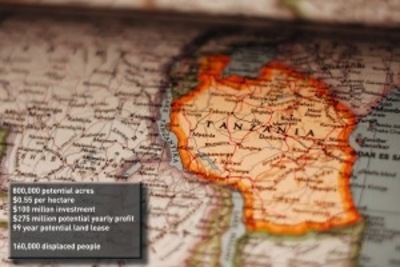
Iowa State University has landed in some hot water regarding its involvement with an international land development project in Tanzania.

"There's a lot of money chasing the grow-out of agricultural land right now," says Gary Thien of Thien Farm Management.
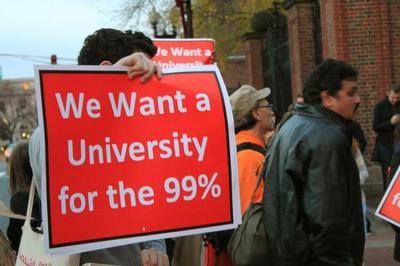
If you care, and you attend or attended college, it is your responsibility as a student or alumni to speak up and say that you care. If enough of us do so, they will listen!
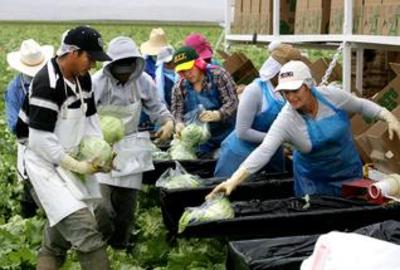
"The stock market's pretty wild. The bond market's nothing. CDs are zero," said Steve Runyan, an agricultural real estate appraiser, "and so you have a tremendous amount of money in pension funds and investment funds of some kind that need some kind of return." Some of his clients for California farmland are international companies looking at global population trends.
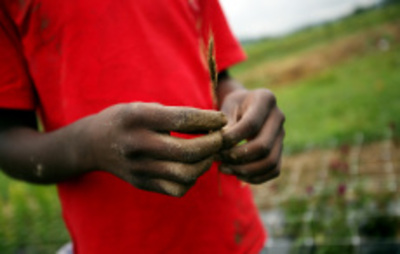
A fierce debate is currently taking place concerning huge tracts of Tanzanian land which U.S. investors are seeking to develop. Tens of thousands of former refugees now farm the land.
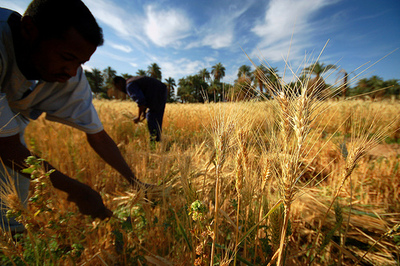
The Overseas Private Investment Corporation, the US government’s development finance institution, approved Wednesday a $150 mln financial package that will go to Citadel Capital, a regional private equity firm that just completed its first wheat harvest in Sudan.

The Dominion Farms at Yala Swamp, Kenya has seen the local community turn against what they initially welcomed with open hands.
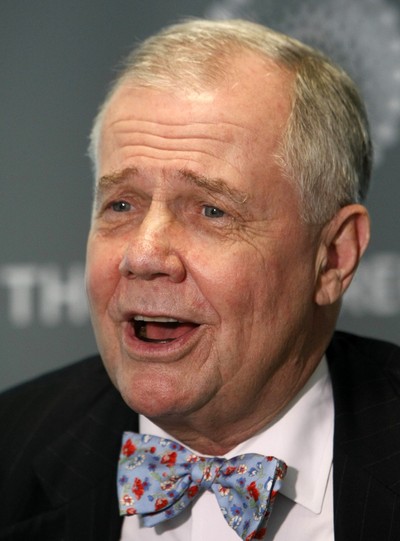
Commodities trader Jim Rogers, known for his investment prowess alongside George Soros, is in Australia to launch a new rural land fund which is seeking to raise up to $350 million to buy farms in northern NSW
Pension funds and other corporate owners have spent only a tiny fraction of the billions of dollars they could invest in farmland, but they are definitely kicking the tires on potential purchases.
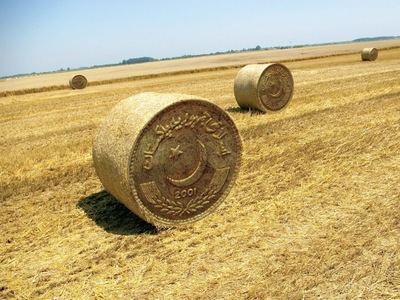
Venture capitalists, merchant bankers and large conglomerates are all piling in.
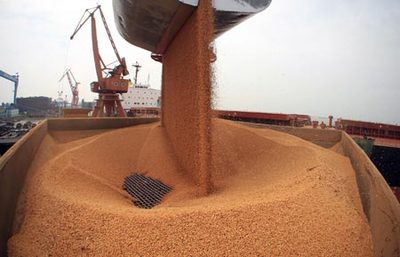
There is a lot of focus on the growing global population and what it means for food demand. One result sees investors taking notice of returns on resources that provide food, including farmland.
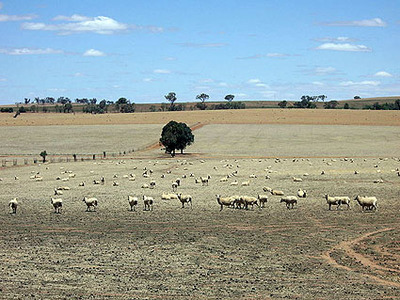
More than 613,000 hectares of Australia's NSW's agricultural land is owned by UK-based investors, compared with 227,300 ha owned by Korean interests and 55,560 ha by US investors.