Curbing Tanzania's 'Land Grabbing Race'
- Tanzania Daily News
- 20 December 2012
From next month (January 2013), Tanzania will start restricting the size of land that single large-scale foreign and local investors can "lease" for agricultural use.




From next month (January 2013), Tanzania will start restricting the size of land that single large-scale foreign and local investors can "lease" for agricultural use.
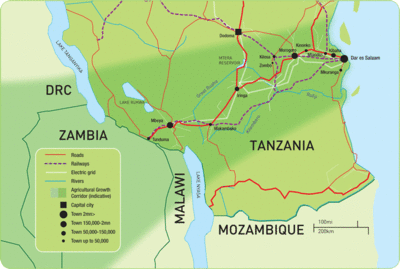
Governments, IFIs and corporations are collaborating in major new projects to reorder land and water use and create industrial infrastructure over millions of ha in Africa to ensure sustained supplies of commodities and profits for markets.

The Tanzanian government has agreed to put a ceiling with regard to what size of land a single large scale investor can be allocated for agriculture.

Part of the $210 million that the Pembani Remgro Infrastructure Fund and the Carlyle Group will invest in the Export Trading Group will be invested in Mbeya rice farms In Tanzania, where the group would cultivate rice and barley.

A heated debate ensued yesterday in Tanzania's Parliament after Kawe lawmaker Halima Mdee moved a private motion calling on the House to adopt a resolution pressing the government to suspend the allocation of huge chunks of land for investment to foreigners.

Of the many issues brought to the table at the Slow Food joint Salone del Gusto and Terra Madre event this week in Turin, Italy, one of the most pressing is land-grabbing.

Land grabs are carried out today in the Rufiji River Basin through the application of both force and consent.
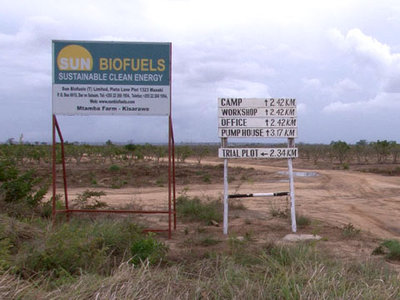
The financial collapse of a project by UK-based Sun Biofuels shows how the development dream can quickly turn into a nightmare for local people.
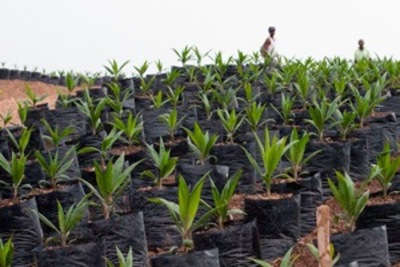
Researchers find that bulk of deals to lease out land are struck in 32 of the countries ranked “alarming” or “serious” on the Global Hunger Index score.
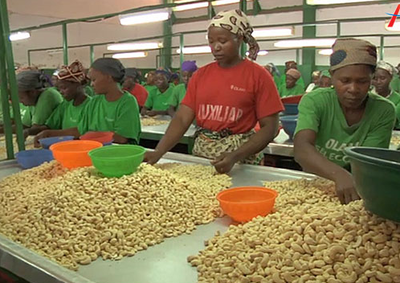
A Olam International, uma transnacional Indiana do agronegócio, e está a desenvolver um sistema gigantesco de fomento agrícola nos 850 mil hectares de terra que lhe foram concedidos por 20 anos, num local não muito longe do porto da Beira, em Moçambique.
Olam International, an India-based multinational agribusiness company, is developing an outgrower scheme on a giant 20-year, 850,000 hectare concession it has secured not far from the port of Beira, Mozambique.
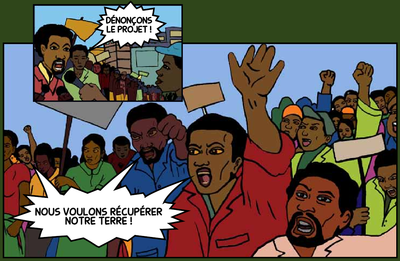
Du Sénégal à la Tanzanie, le phénomène du land-grabbing (ou accaparement des terres) est en train de se développer de manière très rapide, quelques exemples reviennent sur le devant de la scène.