Tanzania: Villagers cry over land grabbing
- The Citizen
- 13 Mar 2013
Bagamoyo villagers are up in arms over the government supporting an investor they accuse of grabbing about 6,000 hectares of their land in the district.




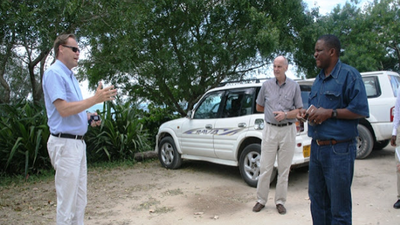
Bagamoyo villagers are up in arms over the government supporting an investor they accuse of grabbing about 6,000 hectares of their land in the district.
; font-family: Arial, Verdana, sans-serif; font-size: 12px;)
Governments in a number of countries are trying to address concerns about land grabbing by closing their borders to foreign investors. Are these restrictions effective? Not really, says GRAIN.

US-based Aslan Global Management, a leader in the "patient capital" movement, manages more than 12,000 hectares of farmland in Ukraine and Mozambique on long-term lease and just entered into a 99-year lease for 45,000 hectares in Tanzania.
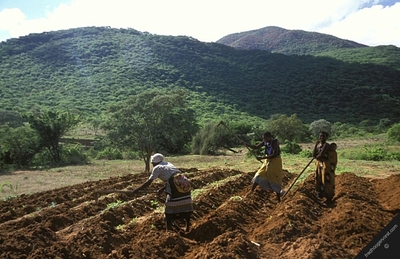
“We are not against land investments, but the land should not be given out to foreigners. Citizens should reserve the right to access it,” says Mr Bernard Baha of ActionAid in Tanzania.
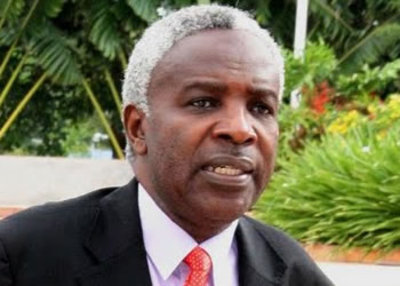
Tanzania Investment Centre in collaboration with the Prime Minister's Office and the Southern Agriculture Corridor of Tanzania Centre recently organized a conference under the theme 'Accelerating Tanzania's Agribusiness Investment' in Dar es Salaam.
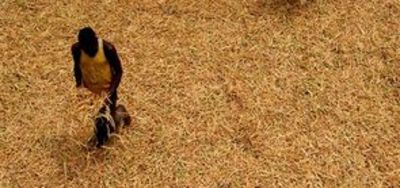
Restreindre la taille des terres agricoles qui peuvent être cédées. C’est ce que vient de décider le gouvernement tanzanien, prenant le contre-pied de sa politique agricole, résolument orientée depuis quelques années vers les multinationales des biocarburants.
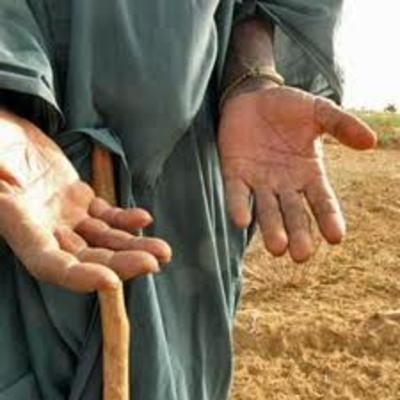
Si tratta dell’appropriazione o acquisto, da parte di governi o imprese multi-nazionali, di vasti terreni locali mediante operazioni di leasing finanziario.
A rights-based vision as brought forward by the FAO guidelines still bears the risk of reinforcing unequal local power structures. Instead, more long-term strategies for the protection of customary rights are required. Thus, a moratorium on ‘land grabs’ would be most appropriate.
In 2012, PM Mizengo Pinda announced that from January 2013, Tanzania will start restricting the size of land that single large-scale foreign and local investors can “lease” for agricultural use. And Tanzania Investment Centre announced that guidelines that will make the Tanzania Land Bank functional will be ready early 2013.
A partir de janvier 2013, la Tanzanie débutera la restriction de la taille des terres qui peuvent être "cédées" uniquement aux grands investisseurs étrangers et locaux à des fins agricoles.

Tanzania has set a ceiling for investors wanting to buy its agricultural land, a move welcomed by land rights campaigners

“Land grabbing in Tanzania doesn't exist,” insists the executive director of the Tanzania Horticultural Association Ms Jacquiline Mkindi