S. Korea to build farming infrastructure in Tanzania
- Yonhap
- 24 September 2009
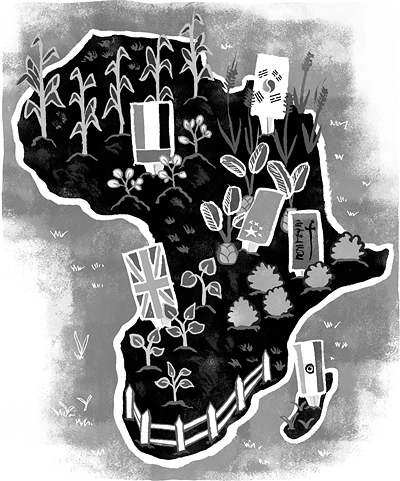
South Korea will develop 100,000 ha of farmland in Tanzania to make inroads into African and European markets, a state-run rural development corporation said Thursday.




South Korea will develop 100,000 ha of farmland in Tanzania to make inroads into African and European markets, a state-run rural development corporation said Thursday.

Tanzania has offered to lease land to Indian private companies for a period of 99 years, as it pitched for increased investment in the agricultural sector.
What started as a government drive to secure cheap food resource has now become a viable business model and many Gulf companies are venturing into agricultural investments to diversify their portfolios.
A conference to discuss ways of boosting agricultural production in Africa will be held in Zanzibar later this month

An internal document recently posted on IRRI's website reveals that the Institute has been advising Saudi Arabia in the context of its strategy to acquire farm land overseas for its own food production.
Agricultural experts have called for a halt to moves by Gulf investors to snap up foreign land, amid claims that poor nations are losing much-needed farmland in a calculated land grab.
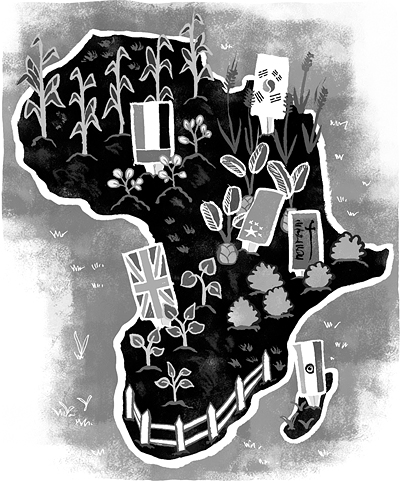
The consensus is that Africa is being out-gunned. While regulations & rules are debated, the amount of land being bought up by foreign investors is increasing at a rapacious speed.
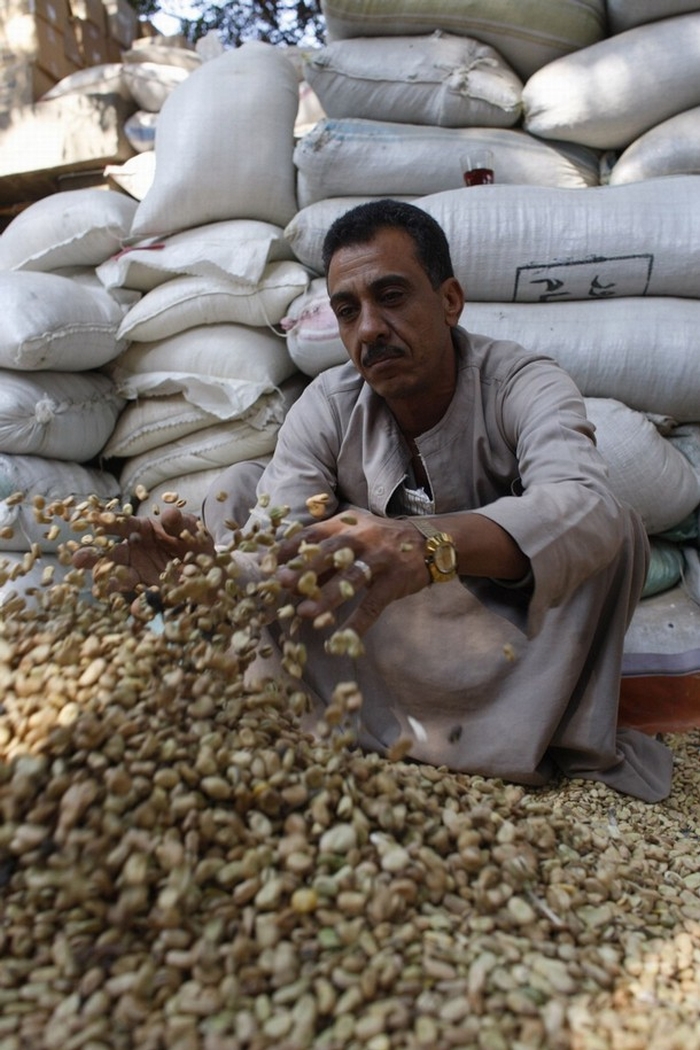
The wheat farms in Sudan & Uganda are not Egypt’s first foray into overseas farming — the government operates a corn farm in Zambia, a rice farm in Niger, a vegetable farm in Tanzania and plans 14 more farms across Africa — but they are significant because they are among the first efforts to address wheat scarcity after the instability of 2008.

Philip Kiriro of the East Africa Farmers' Federation says the countries most endangered by landgrabbing in the region are Tanzania and DRC
Private Saudi firm Planet Food World (PFWC) will invest around $3 billion in agriculture in Turkey over the next five years to export food products to the Gulf region, the head of its Turkish unit said.
Yes Bank expects a $150 million Tanzanian rice and wheat project to reach full production by 2011, the first of several large African farms it is funding. "We are looking at a more inclusive model wherein the local farmers can be organised into a producers company, and they would be the suppliers to the processing facility. It's predominantly not to acquire huge tracts of land."

Au delà de sa boulimie pour les matières premières du sous-sol africain, la Chine a aussi commencé à s’intéresser à l’agriculture africaine.