Foreign investors to rise agriculture investments in Papua
- TEMPO Interactive
- 20 January 2010
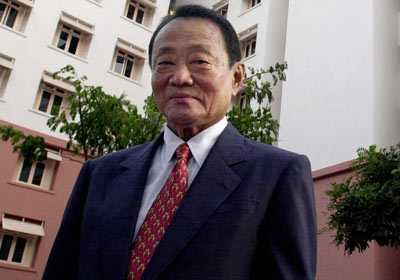
Indonesia's Vice Agriculture Minister Bayu Krishnamurti said, “They are ready to invest, to build farms, factories and industries.”




Indonesia's Vice Agriculture Minister Bayu Krishnamurti said, “They are ready to invest, to build farms, factories and industries.”

Accaparement des terres - cas de l'Indonésie - par AGTER

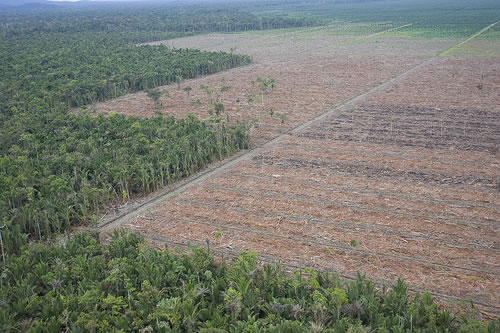
Potentially, the government can set aside 12 million hectares for large-scale food cultivation.
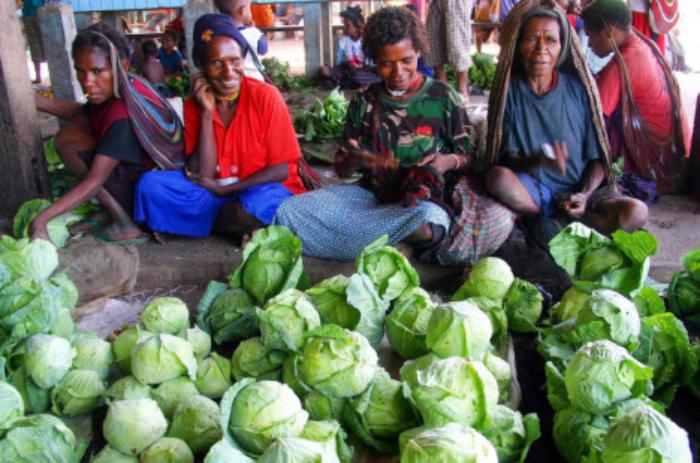
The development, under which many residents will be forced to sell their land, has met opposition from locals and non-government organizations. The Indonesian Farmers Union (SPI) has said that it will lead to a “land grab” by big businesses at the expense of locals.
The firms plan to develop 187,000 hectares of sugar cane plantations and build several sugar factories which will have total capacity to process 76,000 tonnes of cane per day
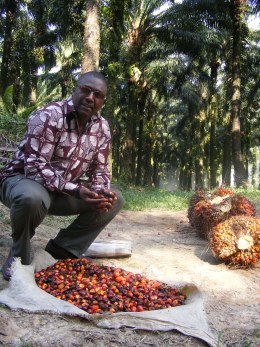
Indonesian global palm oil giant, Golden Agri-Veroleum will invest more than US$1.6 billion dollars on more than 240,000 hectares of oil palm to boost the country’s oil palm sector.
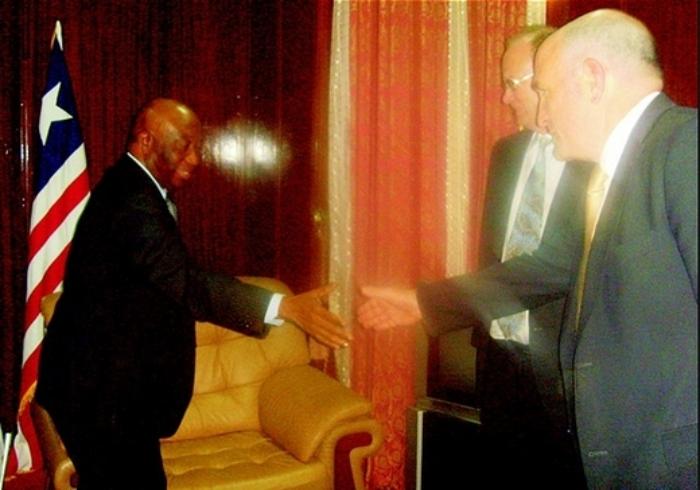
Golden VerOleum plans to acquire 200,00 hectares in south-eastern Liberia. The target areas are Grand Kru, Maryland, River Cess, River Gee and Sinoe counties. The export plans are based on a plantation system in which there are about 10 hectares for each worker.
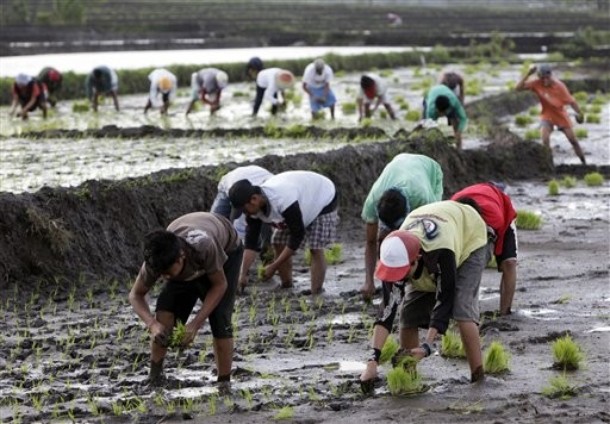
Forecast reports on scarcity predict global actors will move in on dwindling resources. Governments are taking notice, and so should the public, Vivian Fritschi writes for ISN Security Watch.
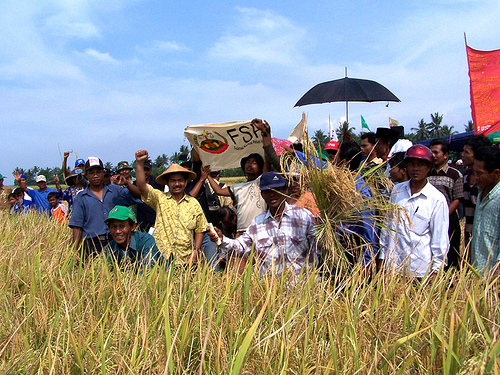
Dalam hal ini, dapat dikatakan masa pengesahan “perampasan tanah” (land grabbing), ketika pengusaha besar lokal dan asing datang atas mandat pemerintah untuk bersaing dengan petani gurem.
The Indonesian Peasants’ Union (SPI) explains how the government's food estate plan benefits companies and threatens farmers.

Gorontalo Vice Governor Gusnar Ismail said the South Korean investor, PT Harim Group, was also planning to build six silos with a combined storage capacity of 6,000 tons to support its corn exporting activity.
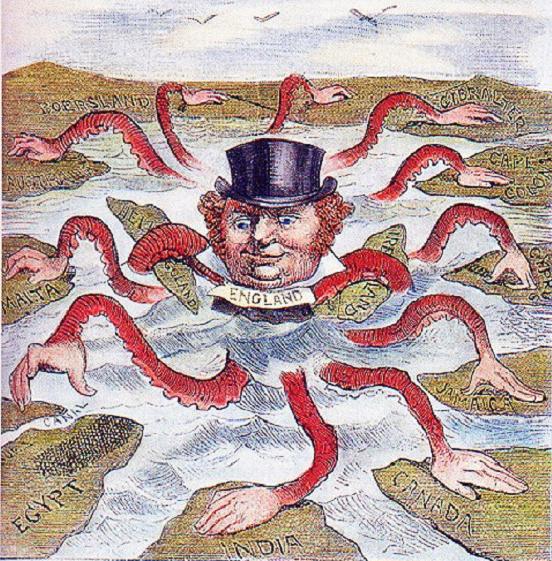
That Korea is no longer "importing" this food that is being grown overseas implies that this land is effectively Korean. This amounts to agricultural imperialism.