Land grabbing as big business in Myanmar
- Asia Times
- 08 Mar 2013
State agencies and private companies are seeking to acquire increasingly larger tracts of farmland in the hopes of enticing foreign partners.




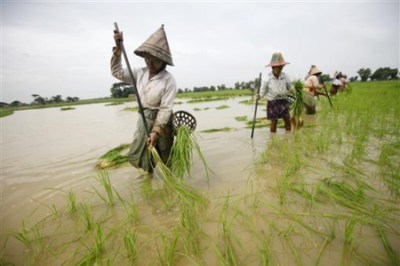
State agencies and private companies are seeking to acquire increasingly larger tracts of farmland in the hopes of enticing foreign partners.
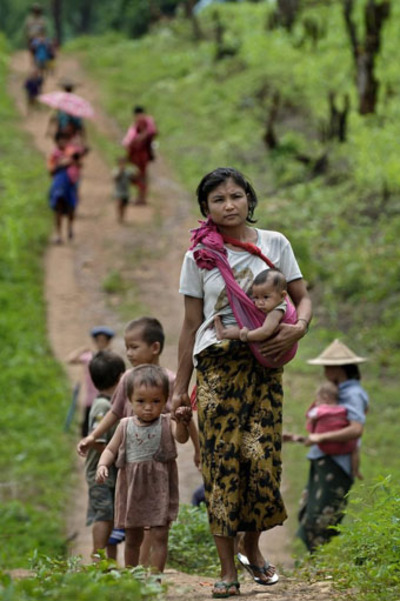
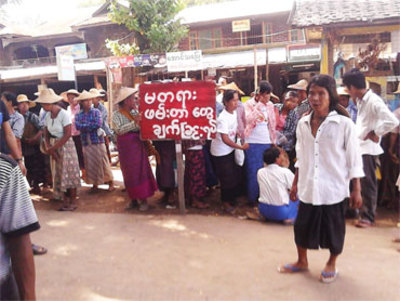
Villagers have been forced from land with little or no compensation, harassed and extorted by both sides as land is parcelled off to domestic and foreign firms including from China and Thailand

Des manifestations de paysans ont dégénéré cette semaine en Birmanie. Les affrontements entre les quelque 400 agriculteurs, qui battaient le pavé pour réclamer l’arrêt des expropriations de leurs terres, et la police, ont fait un mort et une cinquantaine de blessés.
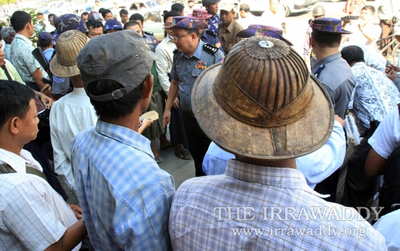
A policeman died and 42 people were injured in Myanmar on Wednesday during a protest by farmers over what they said was a land grab by a private company, a growing source of tension as people assert their rights after the end of military rule.
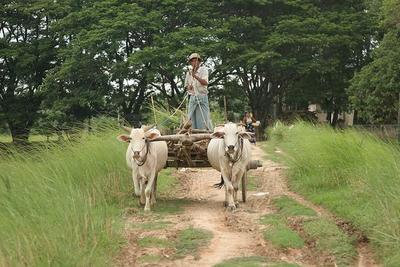
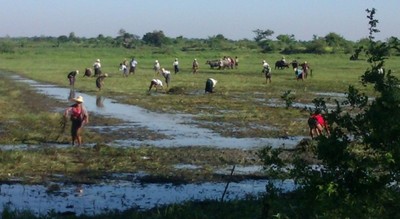
With 6 million hectares earmarked for agricultural commercialization, notably rubber plantations, millions of Burmese have been or stand to be dispossessed of land.
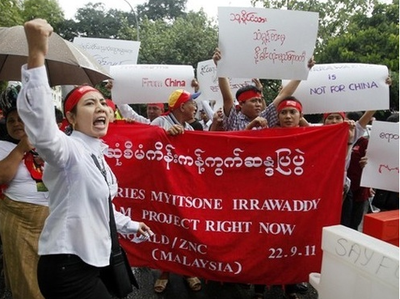
Burma has become the “latest flashpoint in an alarming trend” of global land grabs, which continue to wreak havoc on economic development and human rights around the world, two new reports have warned.
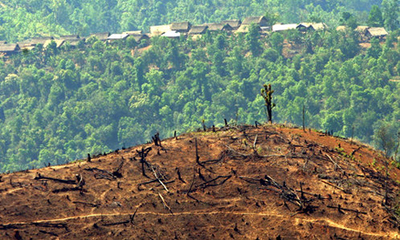
Risk analysts show that operational cost increases can approach 2,800 percent; Myanmar is latest flashpoint in alarming trend
A government commission formed to identify farmland ownership disputes will bring over 300 cases of land grabs to the attention of the Pyidaungsu Hluttaw before the next session begins.

The New Zealand government will set up a NZ$6 million model dairy farm in Burma/Myanmar, Prime Minister John Key says.
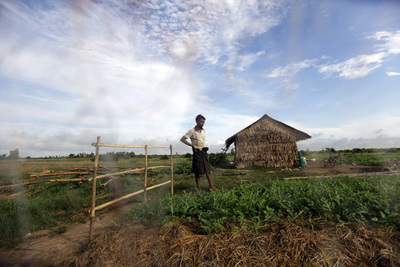
Investment law allows overseas firms to fully own ventures and to lease land from the government or from authorised private owners for up to 50 years, with options for two extensions of 10 years each time.
Current rush of foreign investment into Burma’s agricultural and natural resource sectors, combined with what the report calls an “almost universal tenure insecurity in both rural and urban areas,” will increase landlessness
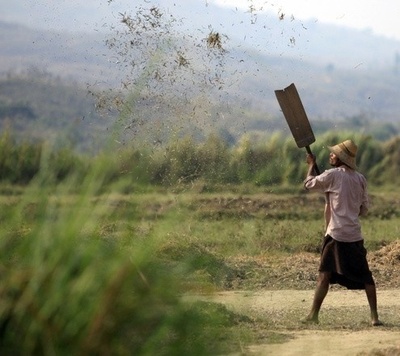
Le gouvernement réformateur en Birmanie a invité jeudi les investisseurs étrangers à s'intéresser au secteur agricole alors que les efforts se multiplient pour relancer une machine économique exsangue après 50 ans de gestion militaire.