The project 3,000 ha seed breeding project in Mazowe will produce seedlings for local farmers to grow apples, grapes, bananas, peaches and pears under contract farming.
- Daily news
-
09 November 2020
A little-known company, Camvert, intends to convert 60,000 hectares of forest adjacent to Campo Ma’an National Park into oil palm plantations.
- Mongabay
-
25 December 2019
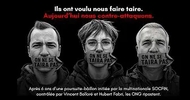
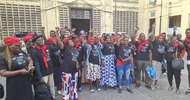
A coalition of civil society organisations has alleged that SOCFIN's Nigerian subsidiary, Okomu Oil Palm, is engaged in land grabbing, deforestation and killing of endangered elephant calf within its plantation
- Guardian
-
10 December 2019
Nearly 88 percent of Gabon is covered in forests, but NGOs fear that the development of oil palm plantations threatens this viable resource. Local communities accuse SOTRADER, a public-private partnership between the government and the multinational Olam, of land grabbing.
- Mongabay
-
01 November 2019
In a letter addressed to SOCFIN's Nigerian subsidiary, Okomu Oil Palm, the Traditional Council of Okomu Kingdom tells the company it will enforce its rightful ownership of the lands that the company currently occupies.
- Okomu Kingdom
-
17 May 2019
Investigations carried out by RFUK and its partner organisations find that three plantations in Cameroon and the Republic of Congo are responsible for destroying over 20,000 ha of forest, an area twice the size of Paris.
Kilombero Plantation Ltd, the Tanzanian subsidiary of Guernsey-registered Agrica Ltd. and “best in class” player in the field of socially responsible ag investments in Africa, is up for sale after defaulting on loans from several financial institutions.
- Oakland Institute
-
27 Mar 2019
Locked within the legislation is a flaw for those living on the quarter of the country’s land set aside for concessions: it is not retroactive. A difficult truth that is only just beginning to permeate thousands of villages in Liberia.
Sierra Leone Land Rights Defenders say SOCFIN's land acquisition in Malen has resulted in serious conflict with local landowners, who face intimidation and harassment for defending their land rights and challenging the company.
- Concord Times
-
01 February 2019
Liberia has passed a landmark law that will help communities fight foreign land grabs by giving them ownership of ancestral territory,
- Reuters
-
21 September 2018
Since 2000, governments, financial investors, and corporations have been involved in land deals covering over 38.9 million ha of land in developing countries, with many of these constituting illegal “land grabs” in violation of international law.
Sime Darby Plantation has planted only 10,000 hectares in Liberia and has not laid a seed in two years, stalled by uncertainties over new environmental standards.
Mr John Peter Amewu, Minister of Lands and Natural Resources, has lamented over the plight of peasant farmers who have lost their lands and thrown into abject poverty as a result of land grabbing.
As China's government sets up farms in developing countries, the nation's food companies are scouring the world for premium products
One of Africa's largest palm oil companies that is majority-owned by the British government through foreign aid funding has failed to meet a promise to improve housing for its Congolese workers or pay them on time, investigations have revealed.
Palm oil giant Olam has been accused of using suppliers that may use unsustainable practices in parts of Southeast Asia and bulldozing rainforest for plantations in Gabon.
The Bank will itself invest US $24 billion and leverage additional investments through equity, quasi equity, debt and risk instruments to catalyze investments at scale from the private sector and with co-financing from traditional donors and new players.
Ce rapport, qui est le premier du genre sur la question des défenseurs de l’environnement, a été principalement réalisé dans quatre pays : Cameroun, Congo, Gabon et République Centrafricaine.
The four farms in the ‘macadamia capital of Australia’ cover 545 ha across four adjoining farms with 109,000 mature trees and were put up for sale in 2013 by one of the largest institutional managers of agricultural real estate in the US, Hancock Farm Company.
Chinese investors are buying up macadamia orchards in Queensland and New South Wales to protect their own supply
DekelOil Public Limited, operator and 51% owner of the vertically integrated Ayenouan palm oil project in Côte d'Ivoire, is pleased to announce that it has entered into a contract to develop 10,000 hectares of brownfield land in West Ghana.
Rollex, an agriculture division of UK-based Lonrho, has more than 150 farmers under its contract scheme and also runs its own farms.
“We want our land back,” said Bindu Kannea, a mother and a farmer who lives in Grand Cape Mount County. In Liberia community resistance to palm oil expansion is about protecting their last remaining pieces of land.
500,000 people in northern Mozambique will be severely affected if the country's Council of Ministers approves the Lúrio River Valley Development Project (DVRL).
New report gives damning indictment of the government’s mandatory resettlement policy carried out in a political climate of torture, oppression and silencing.
As China becomes a large importer, its food security strategy calls for gaining control over imports from their source.
An Oxford University boxing blue, a former Shell chairman, and an ex-SAS commanding officer are looking to raise $26.6m to build the biggest food company in Ebola-scarred Sierra Leone.
Government-led land deals, micro financing options by regional banks and favourable tax regimes are among the factors contributing to making Africa the new frontier for palm oil plantations.
Earlier this year, Liberian President Ellen Johnson Sirleaf made an unexpected commitment related to foreign investment in land and community land rights.
- Focus on Land
-
07 January 2015
Study of agricultural PPPs in Ghana, Malawi and Kenya, identifies examples of PPPs failing to engage effectively with smallholder farmers.
- Fairtrade International
-
01 September 2014