Cameroun 24 | 11 June 2026
Apouh-Ngog vs. the State and Socapalm: Major Land Dispute Enters a Crucial Judicial Phase
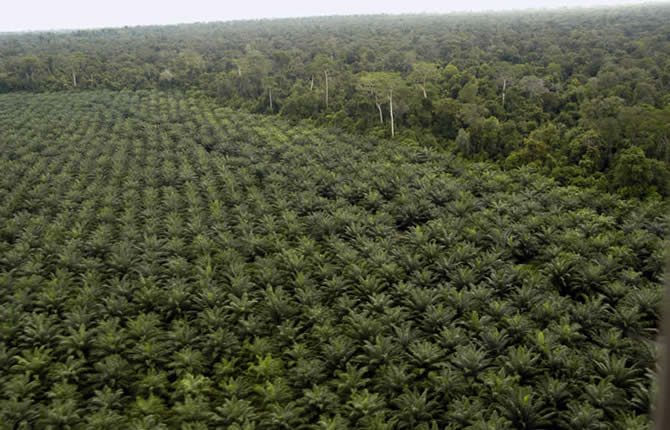
The land dispute opposing the Apouh-Ngog community in Edéa I subdivision to the State of Cameroon, with palm oil producer Socapalm at the center of the controversy, is entering a critical legal stage.
The first court hearing scheduled for June 4, 2026, was postponed due to a power outage at the courthouse and has been rescheduled for July 2, 2026.
At the heart of the case are five land titles (183 SN, 184 SN, 195 SN, 196 SN, and 197 SN) granted to Socapalm on August 10, 1960. Community representatives argue that investigations conducted by the Ministry of State Property, Surveys and Land Tenure revealed discrepancies between the officially registered land areas and the areas currently exploited by the company.
According to lawyer Jean-Marc Touon, representing local residents through the Association of Women Living Near Socapalm Edéa (AFRISE), the lawsuit primarily targets the Cameroonian State rather than Socapalm itself, as the disputed land titles and administrative decisions were issued by public authorities.
The plaintiffs are not seeking the cancellation of the historical land titles. Instead, they want the court to determine whether encroachments have occurred and, if confirmed, order the return of disputed land to local communities.
Tensions have intensified since 2023 following Socapalm’s replanting campaigns, which residents claim have reduced access to ancestral lands and negatively affected farming activities and livelihoods.
A report by Green Development Advocates (GDA), a Cameroonian civil society organization, has further fueled the debate by questioning the legality of certain land occupations within the area.
Socapalm firmly rejects allegations of land irregularities, stating that all its land titles were legally granted by the State of Cameroon and that it operates within the legal framework while participating in ongoing land clarification discussions involving public authorities and local communities.
The July 2 hearing is expected to open a new chapter in a case that goes beyond Apouh-Ngog, raising broader questions about land governance, agro-industrial concessions, community land rights, and the role of the State in balancing investment interests with local populations' rights.
Apouh à Ngog, Socapalm, conflit foncier Cameroun, litige foncier Edéa, terres ancestrales Cameroun, AFRISE, Jean-Marc Touon, Mindcaf, titres fonciers Socapalm, concession agro-industrielle Cameroun, huile de palme Cameroun, communautés riveraines, droits fonciers Cameroun, Sanaga-Maritime, tribunal administratif Cameroun, Socfinaf, gestion foncière Cameroun, empiètement foncier, agriculture Cameroun, actualité foncière Cameroun, Edéa, développement rural Cameroun, Green Development Advocates, gouvernance foncière, investissement agricole Cameroun, justice foncière Cameroun, palmeraies Cameroun, terres communautaires Cameroun, contentieux administratif Cameroun, actualité Cameroun.
Ange NGO
Apouh-Ngog vs. the State and Socapalm: Major Land Dispute Enters a Crucial Judicial Phase
The land dispute opposing the Apouh-Ngog community in Edéa I subdivision to the State of Cameroon, with palm oil producer Socapalm at the center of the controversy, is entering a critical legal stage.
The first court hearing scheduled for June 4, 2026, was postponed due to a power outage at the courthouse and has been rescheduled for July 2, 2026.
At the heart of the case are five land titles (183 SN, 184 SN, 195 SN, 196 SN, and 197 SN) granted to Socapalm on August 10, 1960. Community representatives argue that investigations conducted by the Ministry of State Property, Surveys and Land Tenure revealed discrepancies between the officially registered land areas and the areas currently exploited by the company.
According to lawyer Jean-Marc Touon, representing local residents through the Association of Women Living Near Socapalm Edéa (AFRISE), the lawsuit primarily targets the Cameroonian State rather than Socapalm itself, as the disputed land titles and administrative decisions were issued by public authorities.
The plaintiffs are not seeking the cancellation of the historical land titles. Instead, they want the court to determine whether encroachments have occurred and, if confirmed, order the return of disputed land to local communities.
Tensions have intensified since 2023 following Socapalm’s replanting campaigns, which residents claim have reduced access to ancestral lands and negatively affected farming activities and livelihoods.
A report by Green Development Advocates (GDA), a Cameroonian civil society organization, has further fueled the debate by questioning the legality of certain land occupations within the area.
Socapalm firmly rejects allegations of land irregularities, stating that all its land titles were legally granted by the State of Cameroon and that it operates within the legal framework while participating in ongoing land clarification discussions involving public authorities and local communities.
The July 2 hearing is expected to open a new chapter in a case that goes beyond Apouh-Ngog, raising broader questions about land governance, agro-industrial concessions, community land rights, and the role of the State in balancing investment interests with local populations' rights.
Apouh à Ngog, Socapalm, conflit foncier Cameroun, litige foncier Edéa, terres ancestrales Cameroun, AFRISE, Jean-Marc Touon, Mindcaf, titres fonciers Socapalm, concession agro-industrielle Cameroun, huile de palme Cameroun, communautés riveraines, droits fonciers Cameroun, Sanaga-Maritime, tribunal administratif Cameroun, Socfinaf, gestion foncière Cameroun, empiètement foncier, agriculture Cameroun, actualité foncière Cameroun, Edéa, développement rural Cameroun, Green Development Advocates, gouvernance foncière, investissement agricole Cameroun, justice foncière Cameroun, palmeraies Cameroun, terres communautaires Cameroun, contentieux administratif Cameroun, actualité Cameroun.
Ange NGO