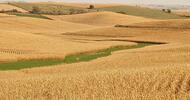
The company will conduct a feasibility study of the proposed land area, in the Merauke district of Indonesia’s Papua province, before making their final decision. “We have been looking at other locations that might be suitable but Indonesia is first on our list,” a spokesperson said.
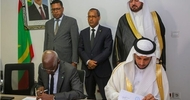
Indonesia's Minister of Agriculture and other senior government officials Tuesday said they met with senior members of Saudi Arabia's Binladin Group to discuss the investment group's plans to spend at least $4 billion developing at least 500,000 hectares of Indonesian land for rice production.
Small-scale farmers with limited knowledge of their rights stand to lose most as countries such as China and Saudi Arabia expand their quest for African farmland, analysts have warned.
- Financial Times
-
11 August 2008
Even as it receives a billion pounds of free food from international donors, Sudan is growing and selling vast quantities of its own crops to other countries, capitalizing on high global food prices at a time when millions of people in its war-riddled region of Darfur barely have enough to eat.
- New York Times
-
10 August 2008
Saudi Arabia, which is making efforts to provide food security for its nationals, can look up to Ethiopia where huge tracts of unutilized agricultural land are available for growing cereals, according to Ethiopian Prime Minister Meles Zenawi.
- Ethiopian Review
-
07 August 2008
A food mega-project planned for a vast area in the Papuan district of Merauke is causing concern that indigenous people's land will be taken and their livelihoods destroyed.
- Down to Earth
-
01 August 2008
Ahmed Al Sadhan, General Manager of the National Office for Industrial
Strategies, at the Ministry of Commerce, stressed a desire to maintain a low profile on the feasibility study, for fear that target countries might
inflate the cost of farm-land in anticipation of investment.
What’s with farming these days? The humble, even if slightly romantic vocation, is attracting a new breed of participants as investing in farmland and agriculture becomes the latest fad in the world of investments.
One issue reportedly delaying UAE investment in Pakistan is the Gulf state appearing to want “blanket exemption” from Islamabad’s agricultural export policies.
Emerging nations are trying to cash in on the global food crisis by getting big importers of crops to effectively lease their farmlands -- a new trend that is already sparking complaints from farmers in some countries who are concerned about their own food supplies.
- Wall Street Journal
-
11 July 2008
A consortium of 15 Saudi Arabian investors is ready to take part in the Merauke Integrated Rice Estate (MIRE), injecting at least Rp600 billion ($65.04 million) into the region. The Agriculture Ministry's Secretary General, Hasanuddin Ibrahim, said each investor wanted to open about 5,000 to 10,000 hectares of land in Merauke, Papua.
- Indonesia Investmenet Coordinating Board
-
07 July 2008
The UN’s Food and Agricultural Organization is expanding its Abu Dhabi office tenfold to broker deals with farmers in such areas as the Horn of Africa.
- The National
-
03 July 2008