 AIM | 27 March 2026
EBG Capital expands kiwi portfolio with acquisition of two orchards in Northern Spain
By Lynda Kiernan-Stone
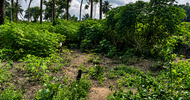
Swiss global ag investment boutique EBG Capital is expanding its Iberian kiwi project through the acquisition of two orchards (one being the only island in the world entirely dedicated to kiwi production) in Northern Spain.
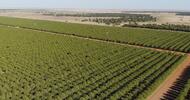
Following several months of due diligence and coordinated efforts between EBG Capital and their local operating partner Cool Farms, this completed transaction adds 32 hectares of fully productive kiwi land to the firm’s existing Iberian portfolio.
“The orchards stand out for their attractive combination of moderate additional CAPEX needs and strong existing fundamentals,” stated the firm in a LinkedIn announcement.
“They benefit from well-tested irrigation capabilities and infrastructure, while also offering a premium brand and access to a robust distributor network.”
These orchards will be added to an original 100 hectares of greenfield land in Northern Spain acquired by EBG Capital one year ago with the intention of developing the land as part of the firm’s kiwi project in the region.
At the time, the firm noted that work on the land would begin immediately, including investment in trellises, protective netting, irrigation systems, anti-frost systems, and other general improvements prior to expected planting this spring.
A Window of Opportunity
Originally from China, kiwi have been grown in the northern region of the Iberian Peninsula for more than 40 years. Known as Atlantic kiwi, cultivation began in response to Galicia’s mild climate and proximity to river flood meadows in Asturias.
Today, Galicia is the leading region for Spanish production, followed by Asturias, the Basque Country, Navarre, and Cantabria.
Currently dominated by the green kiwi (as opposed to the yellow kiwi which is more sensitive to frost), production in the Asturias and Galicia regions reached 3,823 tons and 18,000 tons respectively in 2022, and totaled 26,900 tons the following year, in 2023.
Production levels have remained generally steady. However, climate change is beginning to pose challenges to green kiwi cultivation, as the variety requires between 700-800 chill hours for optimum flowering.
This has driven a shift toward premium gold cultivars and greater adoption of technologies resulting in a significant jump in production capacity for the country, which saw kiwi planted acreage expand in 2025 by 10 percent.
Continued expansion of this kind is welcome news, as Spain is currently the fourth largest consumer of kiwis in Europe at 130,000 tons per year, compared to domestic production of less than 30,000 tons – a gap reflecting the huge potential for growth.
This positive long-term opportunity being seen in Spanish kiwi, along with a pivot toward new cultivars, the integration of advanced technologies, greater traceability, and the strengthening of the country’s cold chain has seen a surge of institutional scale investment in the sector.
This outlook was reinforced by Juan Prados Edwards, CEO of consolidated agri and timber asset manager Generandi, in an article published May 13, 2025 by Fresh Plaza.
“…we see that kiwifruit production undoubtedly has significant potential for growth in Spain,” said Edwards. “The key will be in the ability to adapt to changing market and climate conditions, the implementation of innovative varieties and growing techniques, and in effectively communicating the advantages of local production over imports.”