Saudi Arabia - Plan to ensure food security on right path
- MENAFN
- 23 April 2009
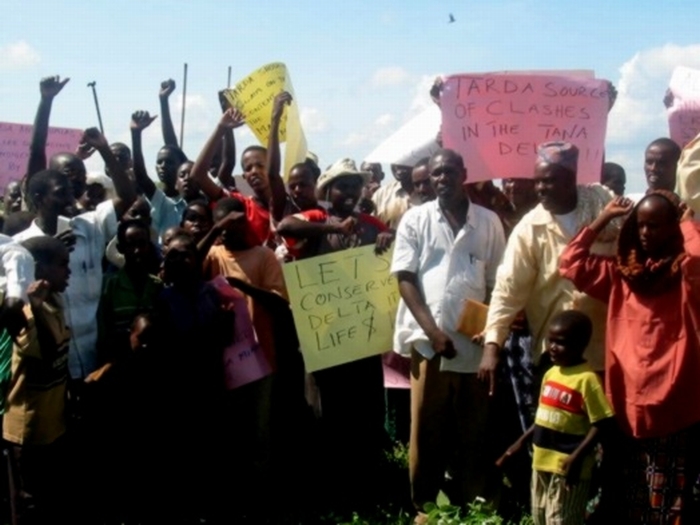
The issue of land ownership in Africa is very sacred and foreign investors need to be aware of the local sensitivities.




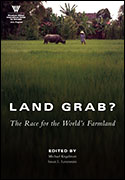
The issue of land ownership in Africa is very sacred and foreign investors need to be aware of the local sensitivities.
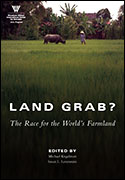
The International Criminal Court’s indictment of Sudanese President Omar al-Bashir for human-rights abuses has not deterred Saudi Arabia’s Hail Agricultural Development Co. from developing 9,200 hectares of land in Sudan or the UAE from investing in agricultural projects in several Sudanese provinces, including a 17,000-hectare farm for wheat and corn.
The problem of food security poses a real threat to global stability. Meeting in Italy last weekend, agriculture ministers of the G8 industrialized countries recognized the extent of the problem. They pledged to continue fighting hunger. But beyond calling for increased public and private investment in agriculture, the final communiqué of the ministerial meeting was short on fresh proposals.
With increasing frequency, wealthy, food-importing countries as well as the private sector are investing in farmland overseas. This conference examines the patterns and motivations of such investment, considers the implications for investors, host countries, and food security, and features case studies from Asia, Africa, Europe, and the former Soviet Union.
A cash-strapped Pakistani government plans to sell or rent one million acre land to foreign countries for agricultural purposes in a bid to underpin the country’s troubled economy. “A complete legal cover will be provided to the investors so that even in case of the change of government, they should not be affected.”
In 2006, Thailand had about 25 million farmers, who accounted for 40% of the population. The number is likely fall to 37% of the population by 2013. The government must act to reverse the trend, otherwise investors could rent or buy land from farmers to invest in large-scale farming, agricultural processing plants and hiring local people.
Pakistan is offering one million acres of farmland, protected by a special security force, for lease or sale to countries seeking to secure their food supplies, an official from the ministry of finance said on Monday.
China has said it will not join the growing trend of outsourcing food production by investing in overseas farmland, particularly in Africa, expressing doubts that such deals could improve its food security.
"Attention should be given to the leasing and purchase of agricultural land in developing countries, to ensure that local and traditional land use is respected."
Sub-Saharan African countries have of late become the target of a new form of investment that is strongly reminiscent of colonialism: investors from both industrialised and emerging economies buy or lease large tracts of farm land across the continent, either to guarantee their own food provisions or simply as yet another business.

The government of Republic of Congo (Brazzaville) has offered 25 million acres (10 million hectares) of land to South African farmers in an effort to improve the central African nation's food security, reports Reuters. The area is nearly twice the amount of arable land in South Africa.
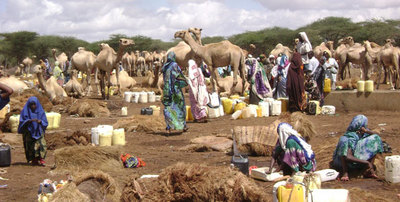
Water is the new gold, and a few savvy countries and companies are already banking on it.