Trans-Latin business and land grabbing in Latin America
- ALAI
- 16 December 2013
Land grabbing has taken on a distinct characteristic in Latin America, as Cristobal Kay, a specialist in development and agrarian reform, explains.




Land grabbing has taken on a distinct characteristic in Latin America, as Cristobal Kay, a specialist in development and agrarian reform, explains.
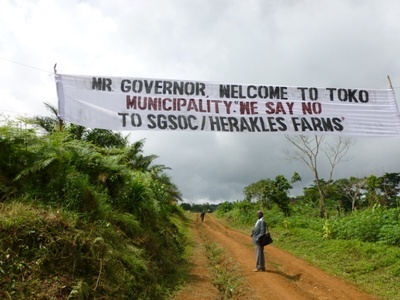
Three Presidential decrees attributing lands to Herakles Farms in the South West region of Cameroon are reminiscent of colonialism and slavery.
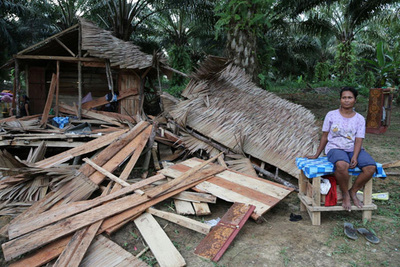
Nearly 150 homes destroyed in the latest incident in conflict between indigenous Batin Sembilan residents and former Wilmar company.
Differing land ownership laws in East Africa are hurting the growth of agribusiness as the sector is unable to attract needed private equity funds.

Last year, CPPIB launched its agriculture investment program which is initially focusing on farmland opportunities in Canada, the United States, Australia, New Zealand and Brazil.
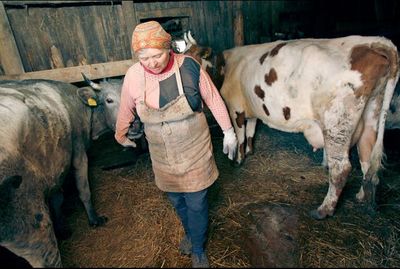
Several farmers in Latvia report incidents with foreign entities that offer farmers highly complex land rental agreements where, should farmers fail to meet certain contractual provisions, they can lose the land.
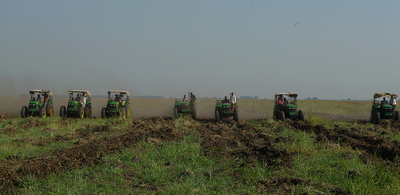
Land grabbing is an expression of the dominant development model based on production and consumption patterns in which financial capital reigns.

Wrobel was CEO of Herakles Farms, which had sought to build palm oil farms in Cameroon.
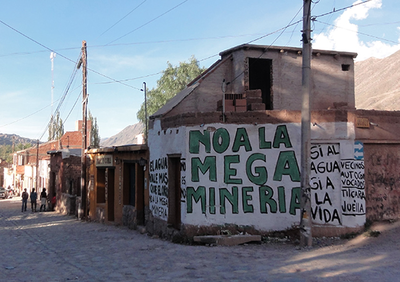
Peasant movements are resisting this assault on their lands and fighting to transform the system.
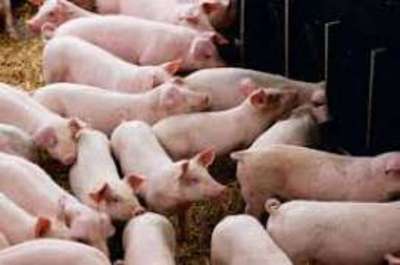
Fund sells large scale pork farm in Russia to Thailand's Charoen Pokphand Foods.
The Canada Pension Plan Investment Board is buying a portfolio of Saskatchewan farms, with the $128-million purchase of Assiniboia Farmland LP.

Emerging regional powers’ in the South have produced powerful finance capitalists such as the Egyptian firm, Citadel Capital. Allied with global governance institutions, such firms represent greater control over vital resources and distribution routes for private wealth accumulation