Big foreign money is being poured into Africa's agriculture - sadly it is not to grow food
- Mail & Guardian
- 13 November 2014
Small-holder farmers hold key to Africa's food security, but are often excluded from debates on agricultural investments.




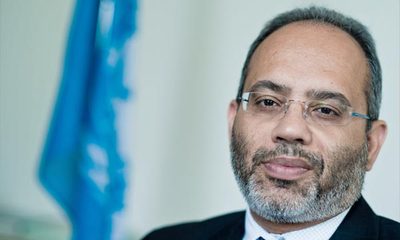
Small-holder farmers hold key to Africa's food security, but are often excluded from debates on agricultural investments.
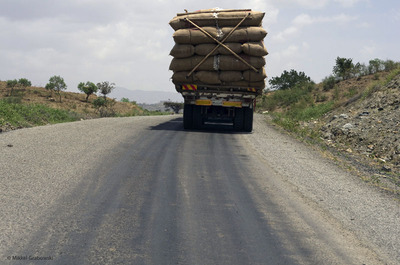
Fashion retailer has instructed its suppliers to ensure they do not use cotton from the Omo Valley, where there is an increased risk of land-grabbing - but admits it cannot provide an absolute guarantee.
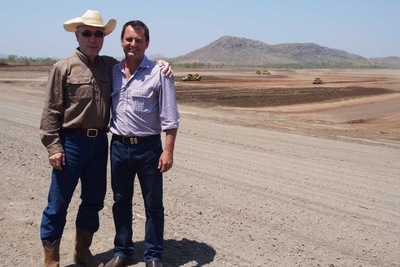
Pressure is mounting on the Northern Territory Government to make land available for a Chinese company, as it struggles to progress environmental approvals and negotiate with the Indigenous Traditional Owners.
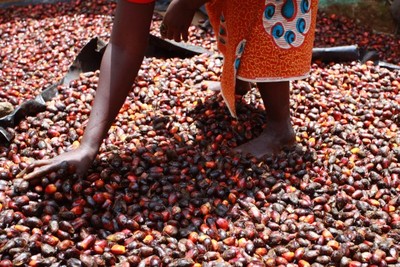
Development funds from European governments helped to rescue a Canadian company that pays workers as little as $1/day to toil on some of Africa's largest palm oil plantations in the Democratic Republic of Congo.

12.4 per cent of Australia’s agricultural land has some level of foreign ownership, with 95 per cent of this land in the hands of just 45 overseas companies.
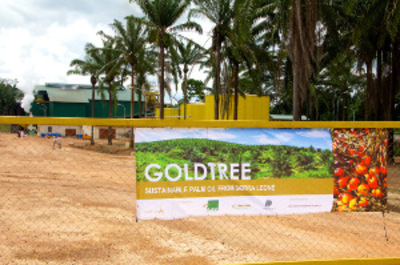
Palm oil company, Goldtree, has recently committed $18.3 million to expanding its existing operations in the Kailahun district of Sierra Leone.
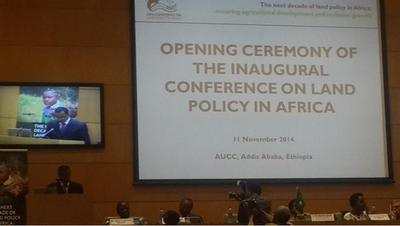
The host country government of the international conference is arguably one of the worst offenders when it comes to forced displacement resulting from land grabs.
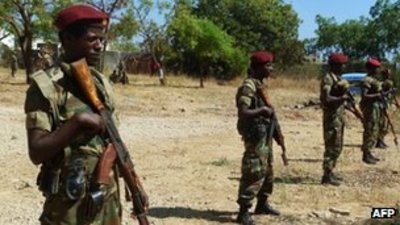
The Ethiopian government has embarked on a large-scale land investment policy that has led to the displacement and forced eviction of Ethiopia’s most marginalized traditional societies.

Swedish TV4 said H&M was using cotton from areas in Ethiopia vulnerable to land grabbing -- the buying or leasing of land in developing countries, often by foreign companies, without the consent of affected local communities.
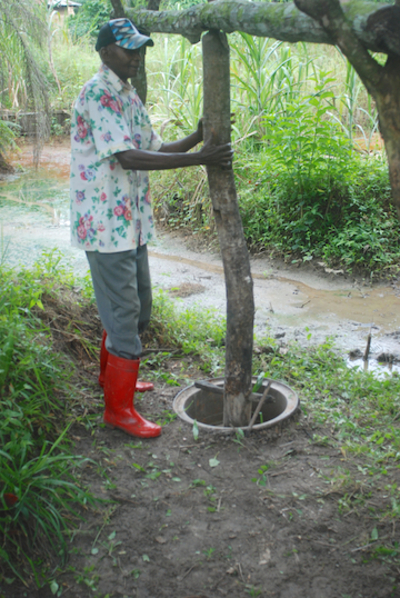
There’s little doubt that the use of palm oil is expanding rapidly throughout the world, and with it the need for millions of hectares of land to grow oil palm trees. The results can be devastating for local communities.
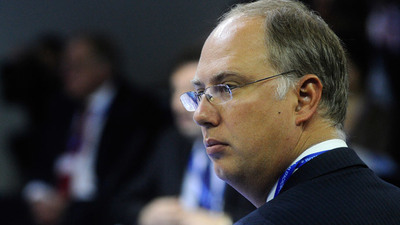
“We are looking at seven projects in the farming sector. They involve mostly Chinese and a number of Arab co-investors," says head of Russia’s Direct Investment Fund.
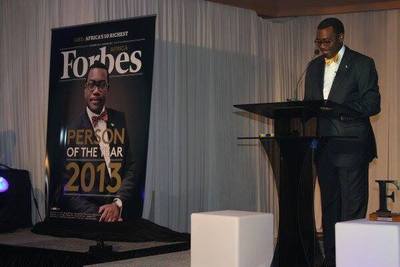
Large scale businesses like Wilmar risk being labeled land grabbers, but we don't have that in Nigeria, says Minister of Agriculture Dr. Akinwumi Adesina.