China, Africa and food security
- IPD
- 09 July 2015
The fact that China does not now depend on Africa in any meaningful way for food does not mean this will continue to be the case.




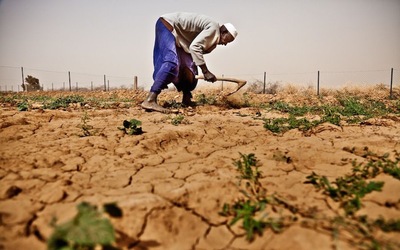
The fact that China does not now depend on Africa in any meaningful way for food does not mean this will continue to be the case.
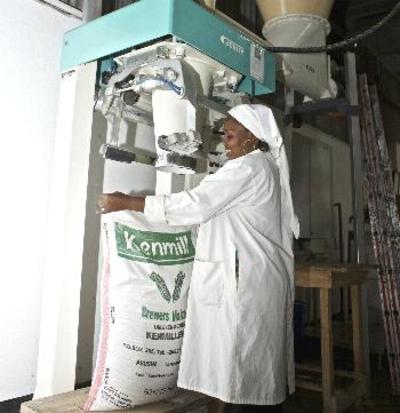
Kenya-based private equity house Fanisi Capital said on Thursday it had bought a stake in a Tanzanian agro-processing company for $6 million, expanding its footprint in the region.

Tania Murray Li of the University of Toronto explains how the devastating expansion of oil palm plantations in Indonesia shows what can be expected from the current expansion of the plantation model elsewhere around the world.

If Africa remains a food deficit region, exporting significant quantities of food to China grown on Chinese-financed investment projects will raise serious questions.
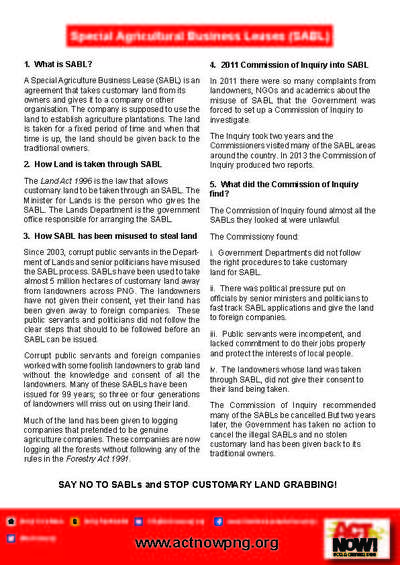
Even though the Commission of Inquiry into the land grab has found the SABL process was flawed, land grabbing continues. Many communities are still not aware of what SABL is and how customary land is being stolen.

World’s largest palm oil trading company, Wilmar International Ltd., under scrutiny as communities accuse its suppliers of harassment, deception and rights abuses.
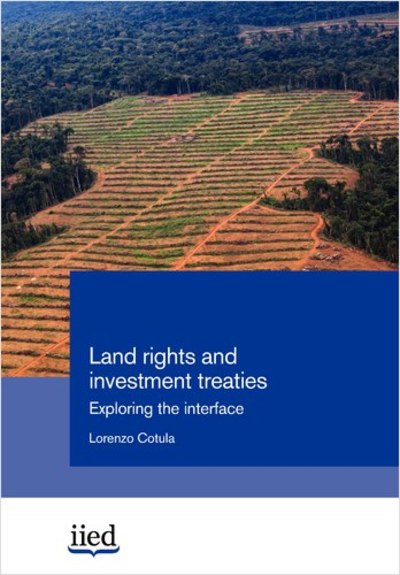
Investment treaties can have far-reaching implications for land reform, for public action to address “land grabbing” and more generally for land governance frameworks
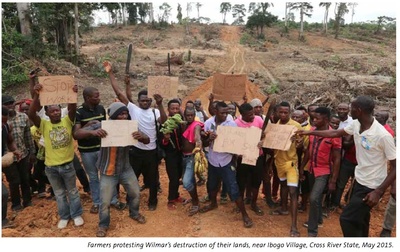
A new report from Friends of the Earth: “If Wilmar fails to improve its operations, the company had better pack and go.”
.jpg?1436370015)
Case studies in this book reveal how today's land grabs may resonate with, even resurrect, forms of large-scale production associated with the colonial and early independence eras of Africa.

Saudi Arabia's Public Investment Fund and Russian Direct Investment Fund together are going to invest $10 billion into Russian projects, including agriculture.
Exacerbated by the pursuit for higher profits, capital preservation and food security, the oil rich region has over the years witnessed increasing demand for agricultural investments

China is on the hunt for new food sources to feed its one and a half billion people and its central government has ordered $3 trillion be spent securing food and farmland overseas.