The refugee who took on the British government
- Guardian
- 12 January 2016
Despite important legal victories, Anuak of Gambella continue to face land evictions and repression to clear their lands for foreign and domestic investors.




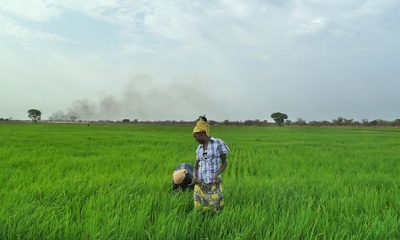
Despite important legal victories, Anuak of Gambella continue to face land evictions and repression to clear their lands for foreign and domestic investors.
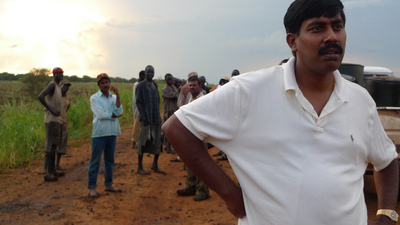
Karuturi Global Ltd., one of the largest investors in Ethiopia’s farm industry, is challenging the termination of its project, claiming the government broke the terms of its agreement with the company.
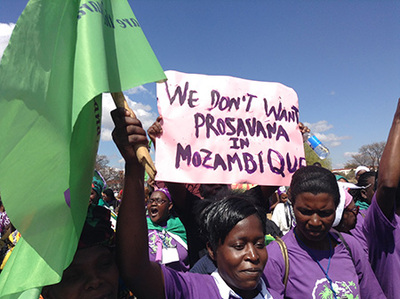
The ProSavana coordination team, together with the governments of Mozambique, Brazil and Japan, has resorted to enticement and has set out to co-opt national civil society organisations.
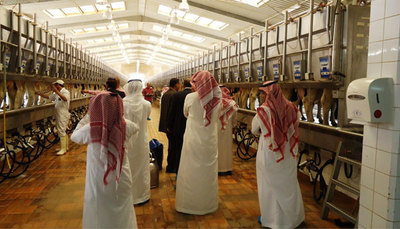
Almarai, which already owns land in Arizona, said the purchase was part of efforts to secure high-quality hay from outside Saudi Arabia, in line with Saudi government policy.
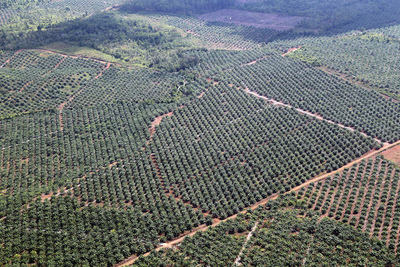
Farmers on Palawan are being tricked into giving land away to palm oil companies with local government support. Those who resist the land grabs are now in fear for their lives following the murder of a prominent campaigner.
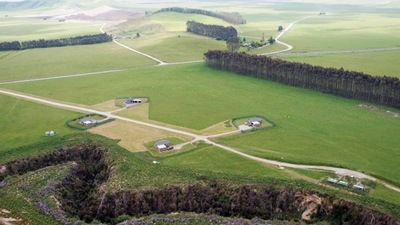
Foreign buying of land is not going to stop any time soon. It is up to the host country to look after itself.
Eco Ruralis presents a definitional framework for land grabbing and an overview of other definitions and ideas, drawing attention to their gaps and weaknesses.
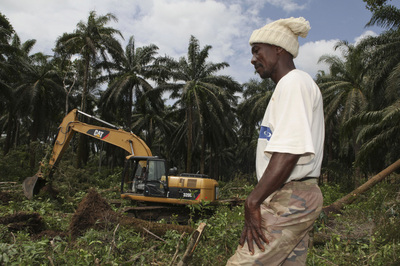
Reports about land-grabs in Africa often attack the corporations that stand to profit from such projects. But little is said of the international development banks that fund the projects.
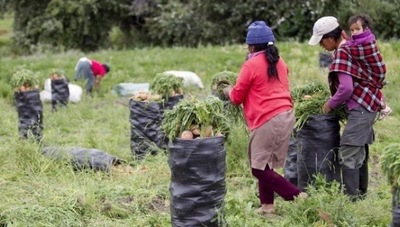
The law prohibits the concentration of rural land for speculative, commercial or monopolistic ends and specifies that foreign state companies may only invest in farming in conjunction with a state enterprises or Ecuadorean business.
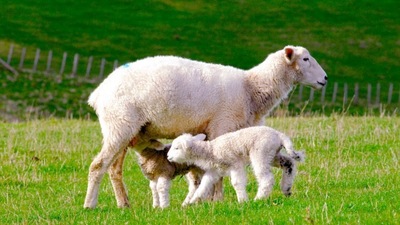
The Overseas Investment Office has granted consent for Weihai Station to buy 595 hectares of land at 152 Baker Rd, Waikaretu - about 100km southwest of Auckland, New Zealand.
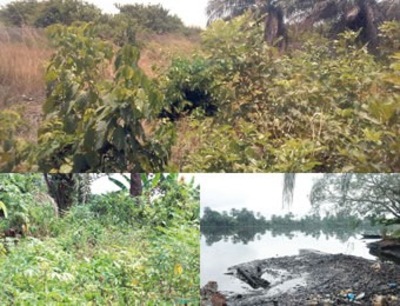
The issue of indiscriminate allocation of community land to companies in the Niger Delta region has been brought to the front burner by stakeholders on environmental and human rights issues in the area.
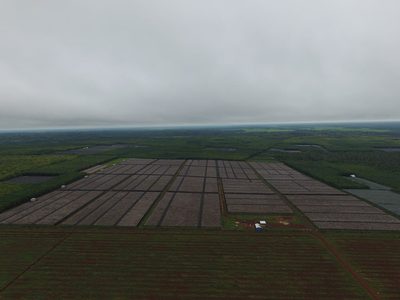
South Korean-owned Welt Bio Co. Ltd. is investing $40 million in a black pepper plantation in Mondulkiri, Cambodia, which is being described as the largest in the world.