Landless Cambodian farmers look to International Criminal Court for justice
- Reuters
- 22 November 2016
The case is significant as it could change the way community displacement in the wake of large-scale land deals is tested and prosecuted




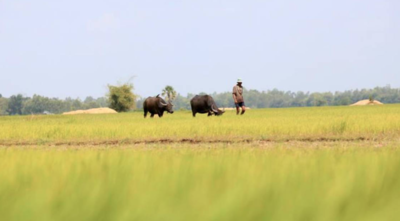
The case is significant as it could change the way community displacement in the wake of large-scale land deals is tested and prosecuted

Langkat Nusantara Kepong, a Malaysian plantation company, unleashes brutal attack on peasants in Mekar Jaya Village in Indonesia to appropriate nearly 554 hecatres of land
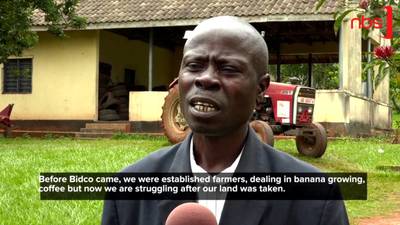
Embattled Ugandan farmers fighting threats and land grabbing by Bidco have praised a draft report by UN investigators that calls into question the company’s business practices.

The notorious reluctance of Australian superannuation funds to invest in agriculture because of perceptions it is too risky, volatile and low-return may be slowly changing, according to key farm and food industry players.
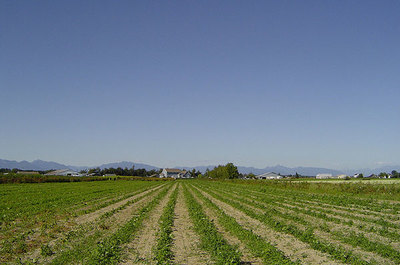
The B.C. government will consider proposals to impose higher property taxes on investors who buy agricultural land then reap huge tax benefits intended for farmers, not wealthy speculators.
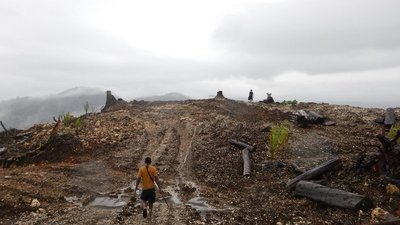
A new report launched today takes the most comprehensive look to date at how corruption is fuelling the global land grabbing crisis, which has seen millions of people displaced from their homes and farmland.
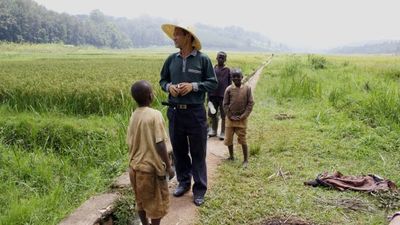
China’s most prominent aid projects in Africa, “agricultural technology demonstration centers,” giving Chinese companies a foothold in new markets. There are now 23 of these centers across Africa.
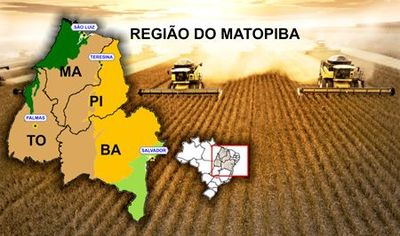
Big plantations don't provide as many jobs as smaller-scale agriculture, and can have a harmful impact on local people - who, therefore, need to be consulted about plans to change land use.
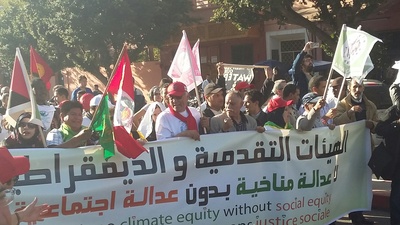
Agriculture and land grabs aren't at the center of the official climate change debate, a fact that will imperil the planet.

IFC, a member of the World Bank, will provide US$50 million to the Argentine subsidiaries of Adecoagro S.A., a company backed by billionaire George Soros, to support resource-efficient farming and food processing technologies
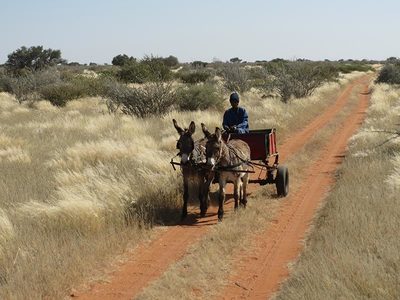
Namibia's lands minister Utoni Nujoma has reportedly tabled a bill that would see foreign nationals being barred from owning land in the southern African country.

Is land-grabbing over, in Mozambique and across Africa and the rest of the developing world? Now that crop and food prices have returned to their usual punishingly low levels, is the pressure off from foreign buyers looking to acquire large tracts of agricultural lands?