How TIAA Funds Environmental Disaster in Latin America
- Nacla
- 06 January 2017
Pension fund giant TIAA is investing its clients’ funds in farmland and agribusinesses tied to environmental and human rights abuses in Latin America.




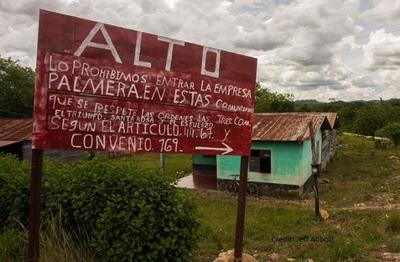
Pension fund giant TIAA is investing its clients’ funds in farmland and agribusinesses tied to environmental and human rights abuses in Latin America.
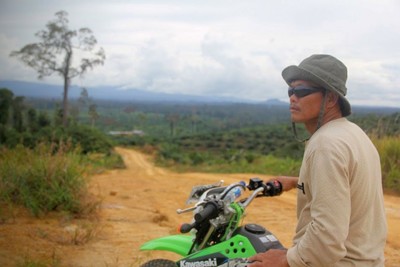
Indonesia central government has recognized the rights of nine indigenous communities to the forests. That movement still has long way to go, the nine “customary forests” encompass a total of 13,100 hectares. By comparison, Indonesia’s nine biggest oil palm firms in 2013 had planted nearly 2 million hectares.
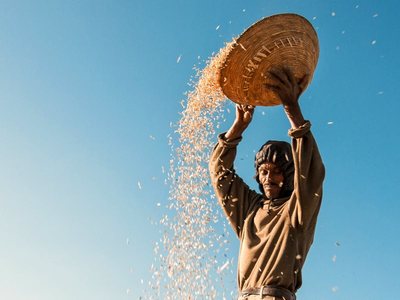
Eritrean law blocking foreign investors from owning land and the country's desire for self-reliance makes it highly unlikely that it will fall for the neocolonial phenomenon of land grabbing.
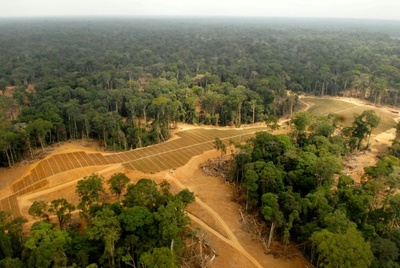
The sheer scale of land required by agribusiness-driven oil palm plantations is having an impact in Gabon, Cameroon and the Congo Basin
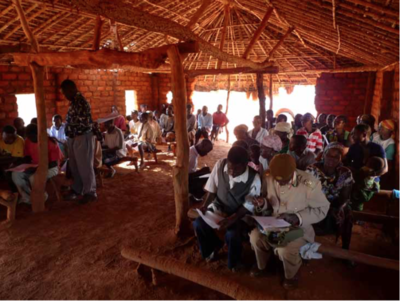
The land grab of multinational companies has intensified in the global south, particularly in Africa over the last decade. In this article, Anabela Lemos explains what is happening in Mozambique.
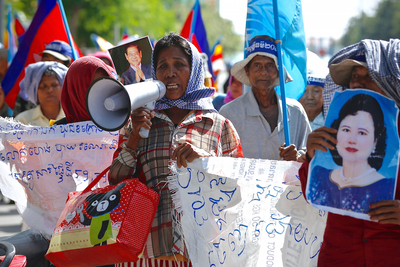
About 100 farmers from Koh Kong province traveled to Phnom Penh to press government officials for a solution to their long-running land disputes with a trio of sugarcane plantations they accuse of stealing their land.

According to Tanzania’s Land Affairs minister, William Lukuvi, the new policy responds mainly to the need to secure agricultural lands, which is vital for sustainable socio-economic growth.
Indonesia is rife with disputes between indigenous communities and plantation firms, but the problem remains poorly understood.

Ashmore International is closing out one of its more active quarters to date, with the acquisition of thousands of acres of new farmland in South America, with a large percentage in coffee farmland.

Almost all of the world’s palm oil comes from Indonesia and Malaysia, but as those countries run out of available land, companies like Olam are turning to Africa to expand.

Last week a Saudi delegation has requested 100,000 hectares to invest in alfalfa plant (livestock food) integrated project and in livestock processing.
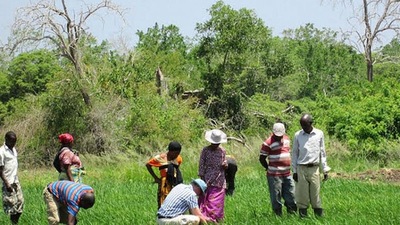
Tanzania has adopted a new national land policy which, among others, lowers the ceiling under which foreign investors can lease land from the current 99 to 33 years.