Finance capitalism and the rush for natural resources
- 30 September 2020
A new report explores how global finance has transformed land and nature into financial assets, driving violence and environmental destruction.




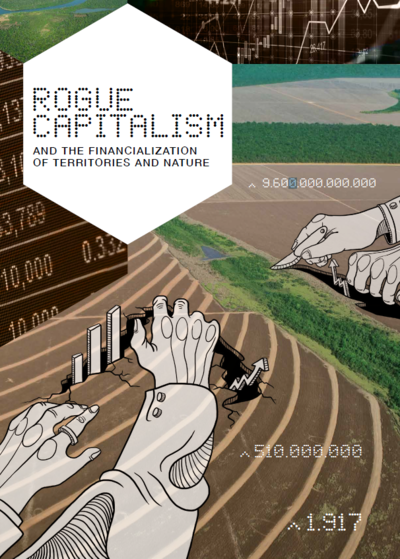
A new report explores how global finance has transformed land and nature into financial assets, driving violence and environmental destruction.
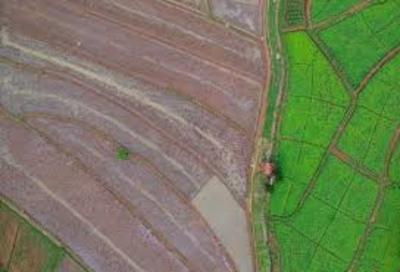
The Minister of Environment and Forestry said she would prepare the land needed for investment by the United Arab Emirates agricultural giant, Elite Agro LLC.
Ten civil society organizations (CSOs) members of Civil Society Coalition Against Food Estate in Papua strongly reject President Jokowi’s plan to develop a food estate with an area of 2,052,551 ha.
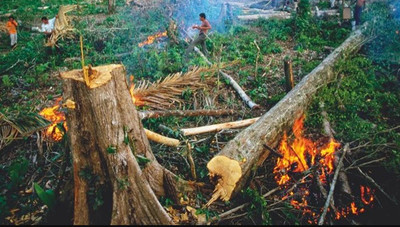
One of the ugliest features of the modern world is the exploitation of natural resources for private gain. Governments and corporations are eager to convert smallholder farms, grasslands, and forests into monoculture plantations, cattle ranches, and mines. But this only contributes to climate change, environmental degradation, displacement, loss of income and poverty
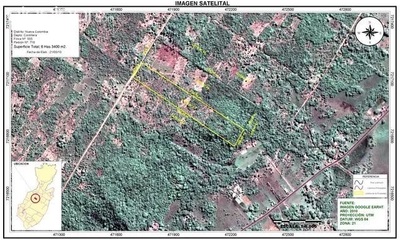
A real financialisation of land, natural resources and the agri-food system is underway throughout South America. In the context of the multiple global crises, the pressure on the control of land and other resources of interest has increased considerably, either for productive use or as financial assets. To this end, the digitisation of land governance and the georeferencing technology that supports it are serving to disguise a massive digital land grab.
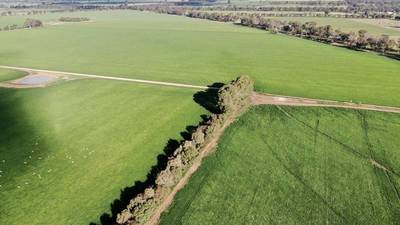
Agricultural investors say the COVID-19 crisis has had little impact on their business and investment intentions, with Australian agricultural land, water and business assets as appealing as ever to investors.
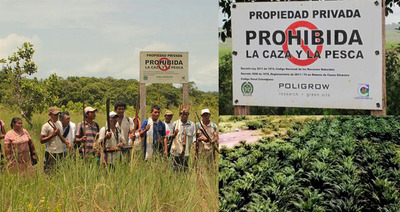
Palm-producing company Poligrow has an undeniable role in land-grabbing and intimidation in the municipality of Mapiripán, Colombia. Even so, it plans to expand its operations.
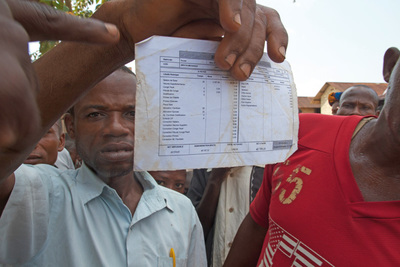
The Feronia case, and other development bank investment failures, shows that there is a need to overhaul development finance institutions practices and to consider whether it might be better to just shut them down entirely.
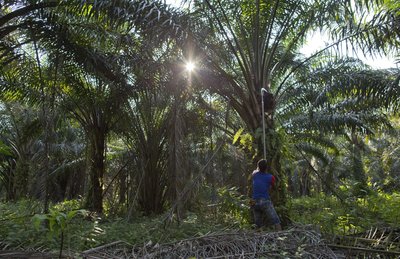
An Associated Press investigation found poor conditions of millions of laborers from some of the poorest corners of Asia across palm oil plantation in Malaysia and Indonesia, many of them enduring various forms of exploitation, with the most serious abuses including child labor, outright slavery and allegations of rape.
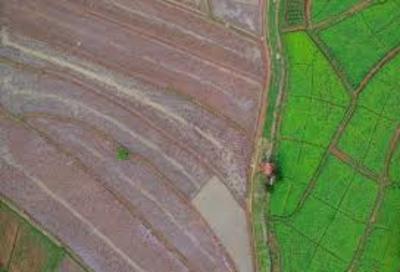
Indonesia has started developing a food estate to grow rice, corn and other crops. The project is expected to cover an area of 770,000 hectares (1,903,000 acres), or more than ten times the size of Singapore.
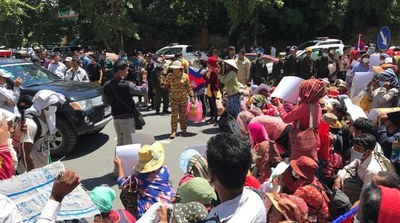
The villagers say they never received compensation for farmland lost to a sugarcane company owned by a senator, another company owned by businessman Heng Huy, and to Chinese company the Union Development Group.

Nyéléni Newsletter's second edition fo 2020 looks at how land-related struggles have evolved over the past decades, starting with demands for agrarian reform to a more comprehensive framing.