Camvert and the forest peril in the Congo basin
- Afrik21
- 06 April 2021
Some local communities have joined NGOs to denounce the establishment of Camvert, a project to develop the largest palm plantation in Central Africa on 50,000 hectares of forest.




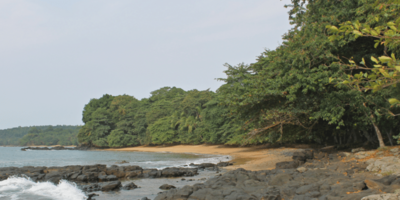
Some local communities have joined NGOs to denounce the establishment of Camvert, a project to develop the largest palm plantation in Central Africa on 50,000 hectares of forest.

The relationship to land – who owns it, who works it and who cares for it – reflects obscene levels of inequality and legacies of colonialism and white supremacy in the United States, and also the world.
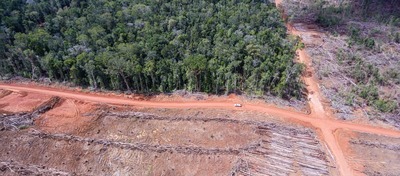
New report from Greenpeace International‘Licence to Clear’ shows systematic violations of permitting regulations as plantations were pushed into forest areas. Since 2000, forest estate land released for plantations in Papua Province has totalled almost a million hectares.

MDC Alliance VP Tendai Biti refutes rumours that a lucerne grass project, which is evicting people from their lands in Chilonga and is backed by the Scandinavian private equity firm Spear Capital, was stopped.
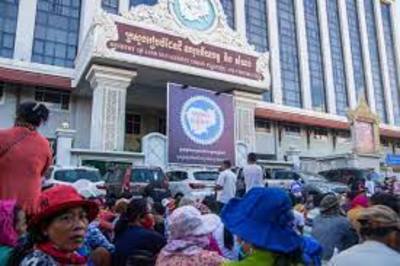
FIDH, along with Global Witness and Climate Counsel, submitted an open letter dated March 16 to Fatou Bensouda, the current prosecutor at the International Criminal Court (ICC), urging to open a preliminary examination into land-grabbing in Cambodia.
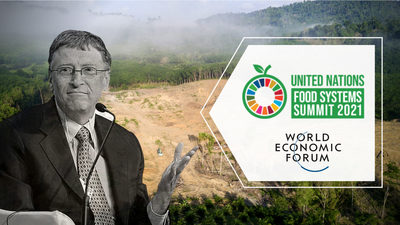
For farmers in Asia as elsewhere, land ownership and effective control is the key to any radical transformation of the food systems and for attempts to achieve genuine sustainable development to really matter.
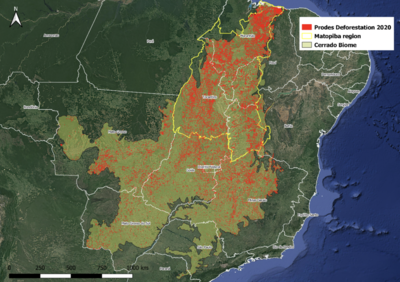
A new report by Chain Reaction Research presents data on specific actors linked to Cerrado deforestation in 2020, including the quantified risk exposure of the largest soy traders, meatpackers, and retailers.
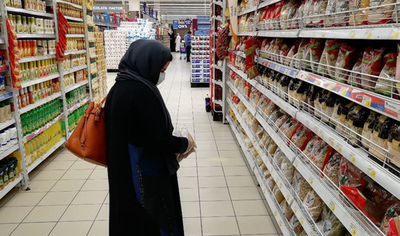
The Public Investment Fund has transferred its ownership stakes in Almarai, the National Agricultural Development Company, and the Saudi Fisheries Company to the Saudi Agricultural and Livestock Investment Company (SALIC).
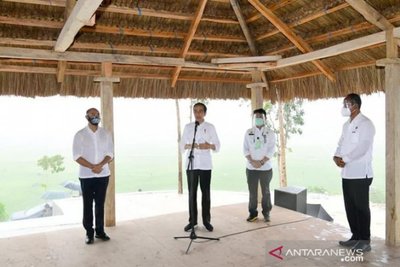
The Indonesian government last year started developing a food estate project in Central Kalimantan. While it is currently spread over 30.000 ha of land, the size of the food estate will be extended over the next two years. Now, the food estate project has been expanded to North Sumatra, East Nusa Tenggara (NTT), South Sumatra, Papua, and Riau.
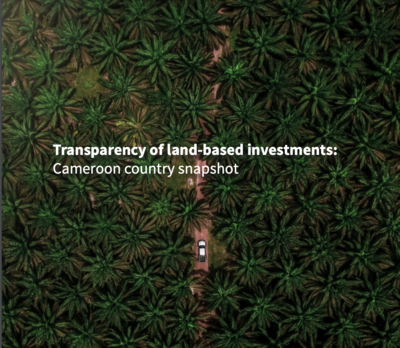
Communities continue to be excluded from decision-making around investments and the government pursues a top-down approach to concession allocation and remains reluctant to recognize all legitimate tenure rights.
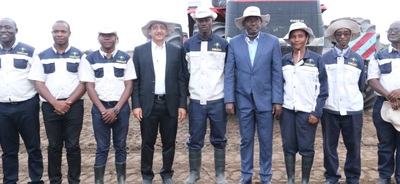
Article assesses the local impacts of farmland investments in the Kagera and Pwani regions of Tanzania, and particularly the Kagera Sugar operations in Misennyi district.
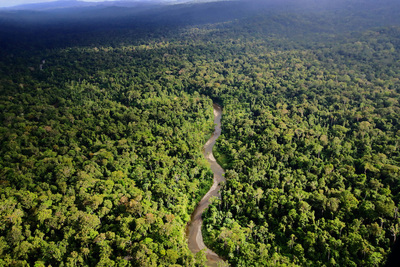
A palm oil conglomerate has begun clearing the ancestral forests of Indigenous tribes in Indonesia’s Papua region without the locals’ consent. Subsidiaries of Digoel Agri group have cleared 64 hectares (158 acres) of forest in the first two months of 2021.