
Earth grab: No to a biomass economy
- YouTube
- 23 December 2010
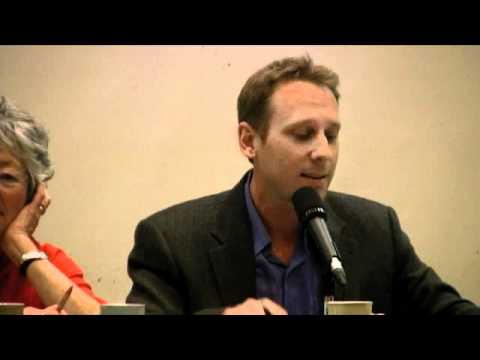
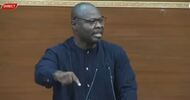
Public forum in Canada with farm leaders from the Global South
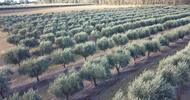
Saskatchewan has some of the richest and least expensive farmland in the world, and there's a gigantic pool of global money that would like to buy up as much of it as they can.
Global investment funds have sunk as much as $20-billion (U.S.) into farmland, last year alone they bought 111 million acres of farmland.
“There are people that are dying to invest large sums of money to acquire farmland in Canada that aren't Canadian citizens,” says Jan Kaminski, founder of Bonnefield.
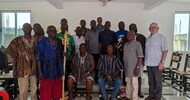
Université de Montréal, le 26 novembre 2010 : Des paysans engagés expliquent comment de grandes entreprises cherchent à s’emparer de la biomasse.
Foreign investors are gaining ground despite restrictions, participating as minority players in various investment vehicles.
Des actions échangées à Toronto et des obligations américaines, certes. Et pourquoi pas quelques parcelles de terres agricoles de Saint-Narcisse pour compléter votre portefeuille?
Quietly, these modern-day land marauders are coming to Canada—undermining family farms, compromising local food sovereignty, and harming the environment.
AgCapita's Stephen Johnston says Brazil's "sudden hostility to foreign farmland ownership" should make "developed markets such as Canada" more attractive to investors
The National Farmers Union (NFU) today released the first report of its kind documenting Canadian developments in a global farmland grab.
The National Farmers Union is warning that the Canadian family farm is under threat from increased corporate control and foreign ownership.
Les craintes soulevées par la possible vente massive de terres agricoles du Québec à des intérêts chinois sont exagérées selon une étude du Mouvement Desjardins.